Discover the Best New Construction Homes in Columbus, OH: 2026 Market Insights
Columbus continues to add residents and rooftops at a steady pace, with population topping 913,000 in recent estimates. According to U.S. Census QuickFacts, the city grew by roughly 10% between 2010 and 2023, fueling sustained demand for Columbus OH new construction homes. Buyers comparing established areas like German Village with expanding communities near Polaris Parkway and Hilliard Rome Road increasingly weigh build quality, commute times, and long-term value, making an informed view of the 2026 new-build landscape essential.
What Defines Columbus OH New Construction Homes in 2026?
New construction in Columbus during 2026 centers on efficient floor plans, energy performance, and flexible workspaces. Many builders along Olentangy River Road, in the Short North Arts District fringe, and near Grandview Heights now prioritize open kitchens, first-floor offices, and finished basements. According to BIA of Central Ohio, recent years have seen annual single-family permits in the region range between 3,000 and 4,000, highlighting an active pipeline of subdivisions, townhome clusters, and infill projects across the metropolitan area.
Design trends reflect both Midwestern practicality and urban tastes. Brick-front two-stories in areas approaching Grove City contrast with sleek, three-story townhomes edging the Arena District and Nationwide Boulevard. Many projects integrate smart thermostats, EV-ready garages, and insulation packages that target energy savings in the range of 10% to 20% versus older Columbus housing stock, based on efficiency comparisons by Energy.gov. These features increasingly influence appraisals and long-term operating costs more than cosmetic finishes alone.
According to Redfin, median sale prices for Columbus homes generally fall between $250,000 and $320,000 as of early 2026, with newly built properties often trading at a premium. Many entry-level spec homes in outer-ring neighborhoods list around $280,000 to $350,000, while custom builds closer to Upper Arlington, New Albany, and Dublin Road frequently exceed $700,000, reflecting land constraints and higher-end finishes near core job centers.
Which Columbus Neighborhoods Lead for New Builds and Master-Planned Communities?
Growth corridors stretch primarily to the north and west. Areas around Polaris Parkway, near Polaris Fashion Place and the I-71 interchange, showcase master-planned communities with clubhouses, pools, and trail networks connecting to Sharon Woods Metro Park and Westerville. According to Zillow, several ZIP codes in the northern suburbs record typical home values in the $350,000 to $450,000 range, with a noticeable share of inventory less than five years old, driven by sustained corporate expansion along the north corridor.
Evening walks through new subdivisions near Hilliard Rome Road bring the scent of fresh mulch, grill smoke, and cut grass drifting between recently sodded yards. Streetlights cast a soft glow on still-shiny sidewalks, while the faint roar from the nearby I-270 loop mixes with laughter rising from patios at local spots along Roberts Road. From some cul-de-sacs, lights from downtown Columbus shimmer faintly on clear nights, giving residents a subtle visual link to the Arena District and Scioto Mile skyline.
East of downtown, Gahanna and the Hamilton Road corridor deliver communities positioned between John Glenn Columbus International Airport and Easton Town Center. According to Walk Score, Columbus posts an overall walk score near 41, yet pockets near Easton and the Short North Arts District climb much higher, underscoring the appeal of townhomes and mixed-use buildings. Southward, carefully planned developments near Grove City and the Stringtown Road area cater to commuters seeking quick I-71 and I-270 access without sacrificing larger lot sizes.
How Do Prices and Incentives Compare with Existing Homes in Columbus?
Price gaps between new and resale homes vary by submarket but generally follow predictable patterns. According to Redfin data through early 2026, newer homes under ten years old in Columbus often command premiums ranging from 10% to 18% over similar older properties. Premiums narrow in established neighborhoods near Goodale Park and Schiller Park, where historic charm and walkable amenities already support strong pricing for prewar homes and renovated duplexes.
Builder incentives offset some of that premium. National and regional builders operating along Route 33, Georgesville Road, and Morse Road frequently advertise closing cost credits between 2% and 4% of purchase price for buyers using preferred lenders, based on promotional ranges tracked by BIA of Central Ohio. Rate buydowns, design-center credits, and appliance packages valued from $3,000 to $10,000 also appear regularly during slower seasons or when standing inventory rises.
According to mortgage data compiled by Consumer Financial Protection Bureau, typical down payments for conventional loans often range from 5% to 15%, while FHA minimums start at 3.5%. Many Columbus builders near New Albany, Westerville, and Canal Winchester coordinate with lenders offering extended rate locks of 90 to 180 days, a crucial feature for homes needing six months or more from groundbreaking to completion in busier phases of the construction cycle.
What Should Buyers Know about Schools, Commutes, and Amenities Near New Construction?
School performance shapes demand for many Columbus OH new construction homes. According to GreatSchools, several districts serving new communities around New Albany, Dublin, and Olentangy River Road corridors receive ratings between 7 and 10 on its 10-point scale. Within Columbus City Schools, specialized programs near Fort Hayes, Whetstone High School, and Columbus Alternative High School draw families seeking urban access combined with magnet-style offerings and shorter commute times.
Weekend mornings near Goodale Park and the Short North townhome clusters carry the aroma of espresso from High Street cafes and food trucks parked along Park Street. Sunlight filters through mature trees onto dog-friendly patios, while music from local venues around North Market drifts toward new loft-style buildings backing onto Neil Avenue. Joggers trace routes toward the Scioto Mile, where the river reflects both construction cranes and completed towers, blending the feel of a growing skyline with accessible green space.
Commutes from major new-home corridors remain a pivotal factor. According to travel-time estimates compiled by Google Maps, peak-hour drives from Westerville or New Albany into downtown Columbus often range from 20 to 35 minutes, depending on I-270 congestion and weather. New townhomes near the Arena District, Grandview Heights, and Victorian Village shorten car commutes to under 10 minutes for many central employers, while COTA bus routes help reduce parking costs for residents relocating from farther-flung suburbs.
How Can Buyers Navigate Builders, Warranties, and Financing in Columbus’s 2026 Market?
Choosing among national, regional, and custom builders requires attention to warranty structures and track records. According to surveys summarized by National Association of Home Builders, many builders offer one-year workmanship coverage, two-year systems coverage, and structural warranties spanning up to 10 years. Columbus-area contracts near Grove City, Galloway, and Reynoldsburg frequently follow similar patterns, with additional roof or HVAC warranties provided by manufacturers that can extend coverage periods substantially beyond builder obligations.
Financing strategies differ from resale transactions. Builder-affiliated lenders sometimes discount origination fees by 0.25% to 0.50% or offer buydowns reducing initial interest rates for the first two or three years, based on recent promotional structures noted by Zillow. Construction-to-permanent loans, more common for custom builds in Upper Arlington or along Riverside Drive, may require higher down payments of 10% to 20% and detailed budget documentation before lot preparation begins.
Inspection strategies also shift with new construction timelines. According to guidance from American Society of Home Inspectors, pre-drywall inspections can reveal framing and mechanical issues that are far harder to address after finishes are installed. In Columbus, many inspectors price phased inspections between $500 and $900, depending on square footage and number of visits, a modest premium compared with typical single-visit resale inspections that often range from $350 to $600 for similarly sized homes.
The 10% population growth cited at the start of this guide reflects sustained underlying demand that continues to shape Columbus OH new construction homes in 2026. That same growth figure from the opening underscores how supply additions along multiple corridors still struggle to fully match household formation. The Columbus Realtors market statistics dashboard offers monthly insight into shifts in inventory, absorption, and pricing across both new and resale segments. Buyers who register listing alerts by early spring and commit to touring promising new-home releases within 48 hours of status changes before the late-April inventory uptick generally secure stronger selections and more favorable incentives than counterparts waiting until midsummer.
FROM OUR BLOG
First-Time Homebuyers in Gahanna: Essential Tips for 2026
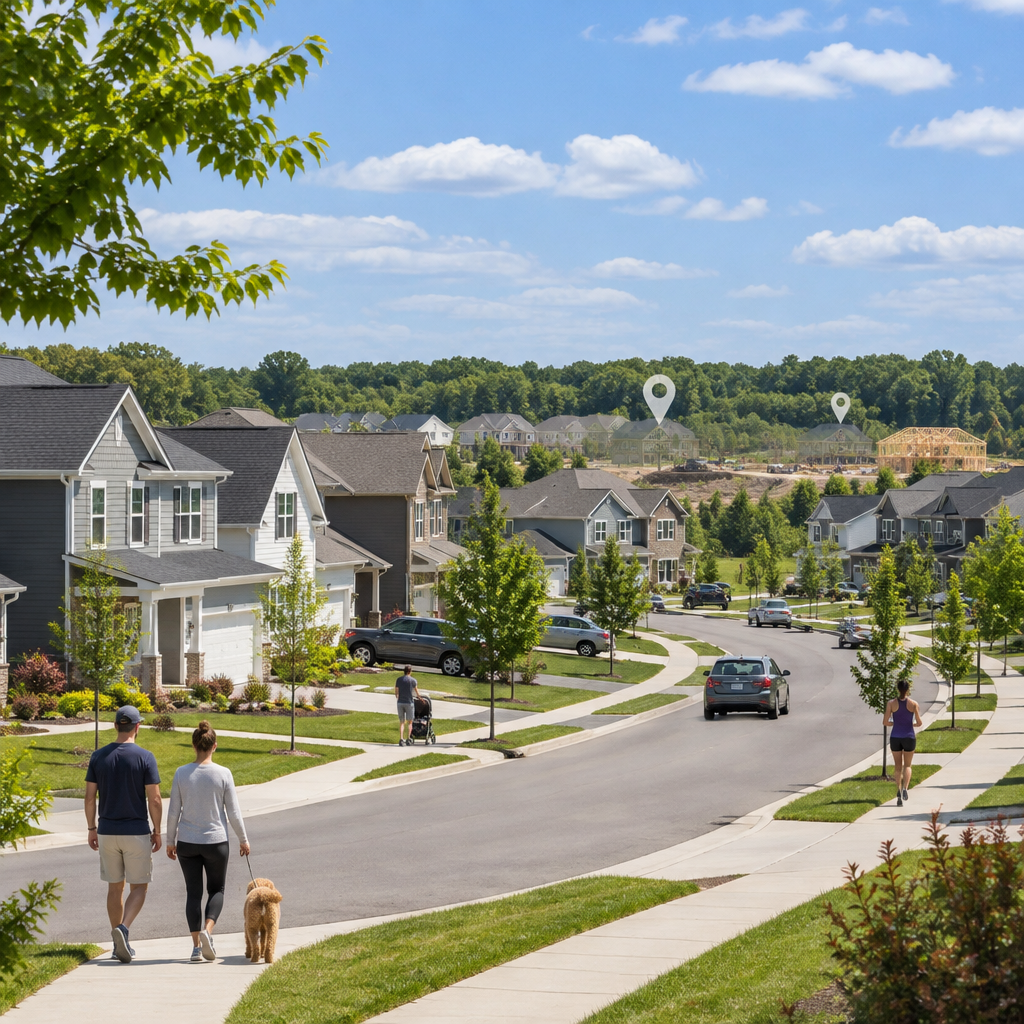
First-Time Homebuyers in Gahanna: Essential Tips for 2026 First-time homebuyers in Gahanna face a 2026 market shaped by limited inventory and rising borrowing costs. According to National Association of Realtors data from 2023, first-time buyers account for about 32% of recent purchasers nationwide,

Luxury Homes in New Albany: What to Expect in 2026
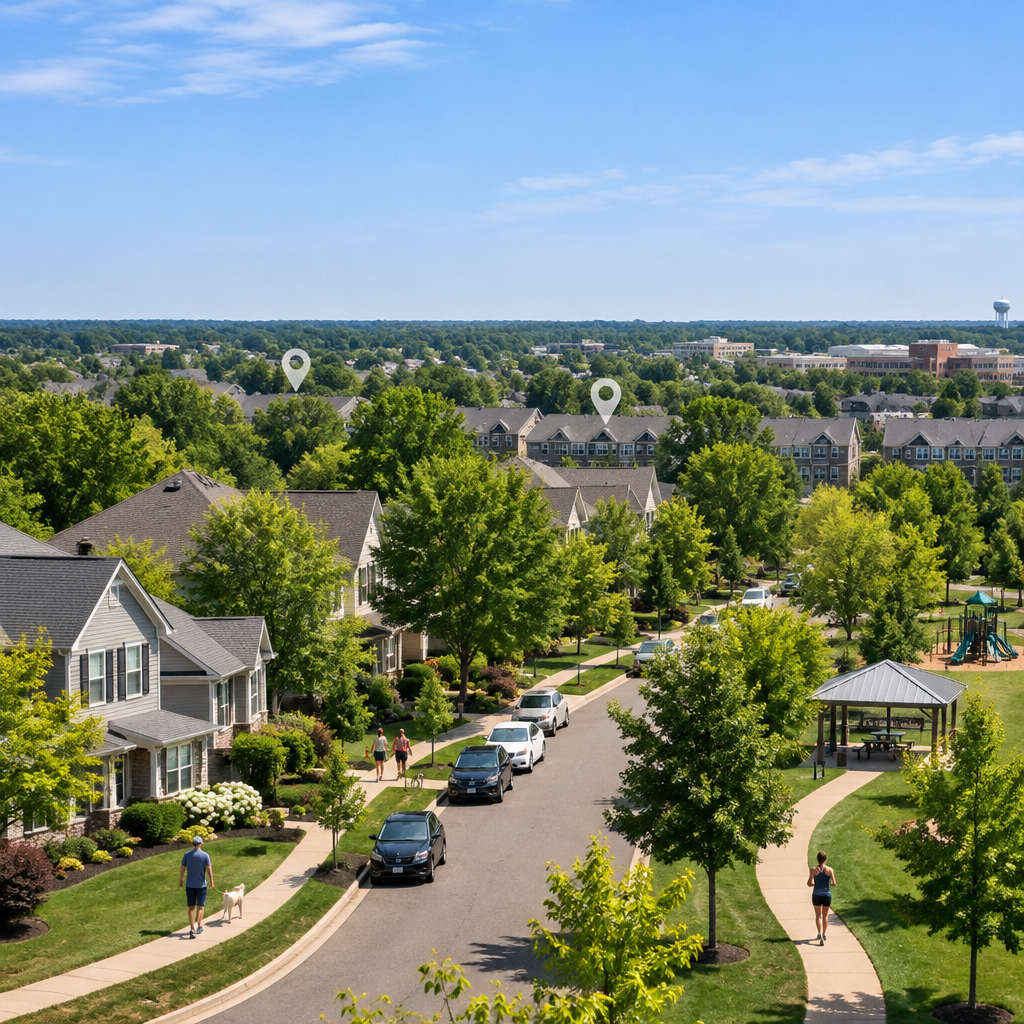
Luxury Homes in New Albany: What to Expect in 2026 Luxury homes in New Albany continue to attract attention as affluent buyers survey Columbus-area options. According to Walk Score, New Albany holds a Walk Score of 23, reflecting a primarily car-dependent layout with carefully planned village center
Relocating to Westerville: A Comprehensive 2026 Neighborhood Guide
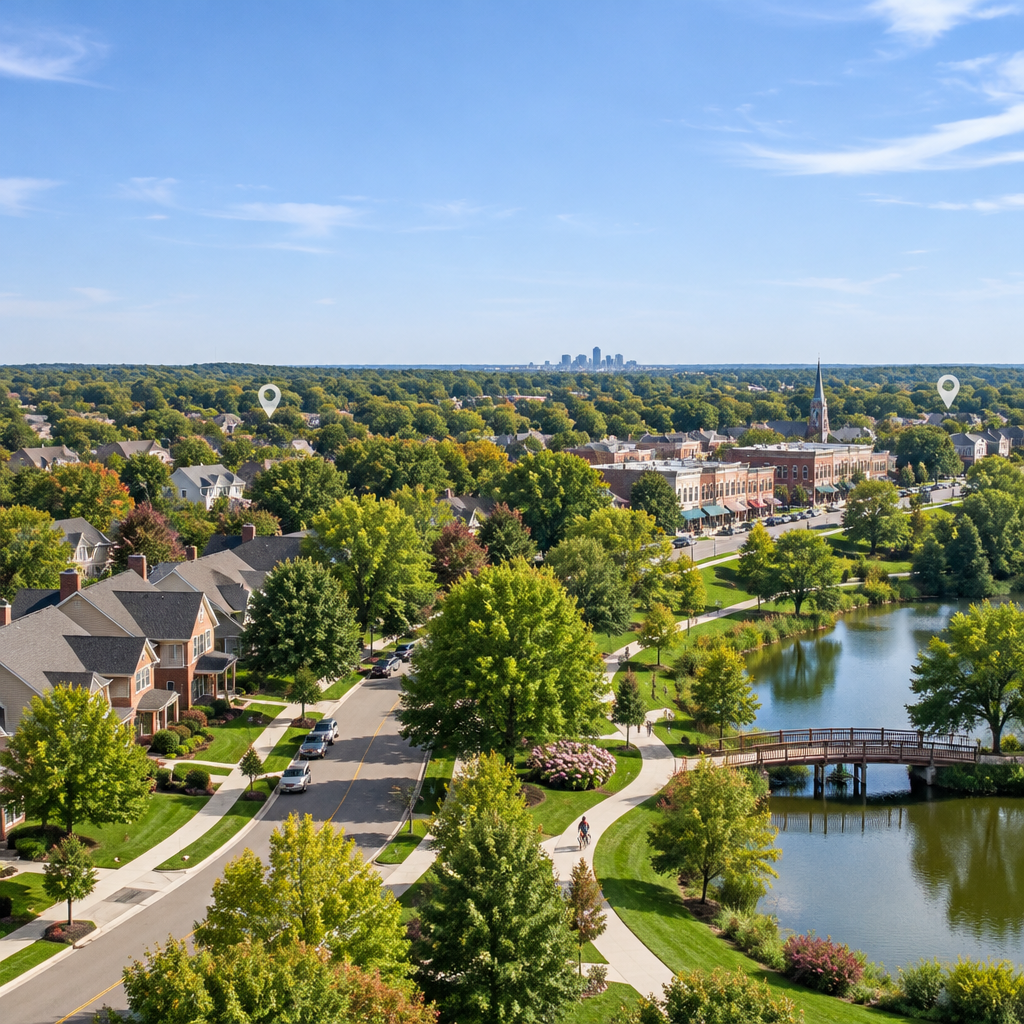
Relocating to Westerville: A Comprehensive 2026 Neighborhood Guide Relocating to Westerville in 2026 means entering a mid-sized city with small-town character and metropolitan access. According to U.S. Census Bureau QuickFacts, Westerville’s population has held between 38,000 and 41,000 residents in